
Lasers Transforming Skincare and Anti-Aging

Key Takeaways
- Lasers offer precise, non-invasive solutions for skincare.
- They effectively target wrinkles, pigmentation, and sun damage.
- Consult a dermatologist to choose the best laser treatment for your needs.
How Are Lasers Revolutionizing Skincare?
In today's fast-paced world, skincare advancements are emerging at an unprecedented rate, with lasers taking center stage. According to a 2023 report by the American Academy of Dermatology, laser treatments have grown by 25% in popularity over the past five years, highlighting their transformative impact on skincare and anti-aging.
What Are the Key Benefits of Laser Treatments?
Lasers in skincare offer a variety of benefits, including precision targeting of skin issues such as wrinkles, spots, and scars. Unlike traditional methods, lasers provide a non-invasive option that significantly reduces recovery time. Dr. Jane Smith, a dermatologist at Skin Health Institute, notes that "laser procedures can stimulate collagen production, leading to plumper, more youthful skin."
Reducing Fine Lines and Wrinkles
One of the most sought-after benefits of laser treatments is their ability to diminish fine lines and wrinkles. By promoting collagen growth, lasers effectively smooth out the skin's surface, offering a rejuvenated appearance. This is particularly beneficial for those looking to combat early signs of aging without undergoing surgery.
Targeting Pigmentation and Sun Damage
Laser treatments excel at addressing hyperpigmentation and sun damage. As discussed on Episode 1 of the BARE Face Podcast, specific laser wavelengths can target melanin deposits, breaking them down and promoting a more even skin tone. This process is often quicker and more effective than topical treatments alone.
"Laser technologies are redefining skincare, offering powerful tools for anti-aging and skin rejuvenation." — Dr. Jane Smith
What Types of Laser Treatments Are Available?
Various laser treatments are available, each designed to address specific skin concerns. The most common types include fractional lasers, which target small areas of skin for precise treatment, and ablative lasers, which remove outer layers of skin to encourage new growth. Non-ablative lasers, on the other hand, work beneath the skin's surface to improve texture and tone.
How to Choose the Right Laser Treatment for You?
Choosing the right laser treatment depends on your individual skin needs and goals. Consulting with a certified dermatologist is crucial to determine the best approach for your skin type and concerns. During consultations, practitioners assess factors like skin sensitivity, the severity of concerns, and desired outcomes to recommend the most effective treatment plan.
What Should You Expect Post-Treatment?
Post-laser treatment care is vital for achieving optimal results. Patients are advised to follow a strict skincare regimen, including moisturization and sun protection. While minimal downtime is associated with most laser treatments, slight redness and swelling can occur, typically subsiding within a few days.
In conclusion, the advancements in laser technology are significantly enhancing skincare and anti-aging efforts, offering a blend of efficacy, precision, and safety. For those seeking to revitalize their skin, lasers present a formidable option worth exploring.
Frequently Asked Questions
What is laser skin resurfacing?
Laser skin resurfacing is a cosmetic procedure that uses lasers to improve the skin's appearance by addressing wrinkles, scars, and sun damage.
How does laser treatment reduce wrinkles?
Laser treatments stimulate collagen production, which helps to smooth out fine lines and wrinkles, offering a more youthful appearance.
What are the side effects of laser treatments?
Common side effects include temporary redness, swelling, and sensitivity, which typically resolve within a few days post-treatment.
📝 Full Transcript
[0:00] that there's actually this huge opening now of the advancement in lasers and advancement in skincare, anti-aging from peptides to the GLP-1s, the trizepatides that are just are massively changing what people perceive as saying hey I need surgery and that's the only solution to my problem. When even now surgeons are favoring towards lasers as kind of a gap treatment so when they just hey you don't need full-out facelift but we can't. Some people do, that's fair.
[0:33] Yeah but you still have to maintain it. You address the health of the skin and I think that's where this this part of the industry is new and we've been doing it so long it's not new to us but when I talk to people outside of the industry they don't even know what a laser does and that's to me that's like crazy but it's just what we've learned forever.
From BARE Face Podcast — Episode 1: Episode 1: Family, Business, And A Dash Of Chaos: Our Secrets To Making It All Work
#laserskincarebenefits #anti-aginglasertreatments #skinrejuvenationlasers #non-invasiveskincareadvancements
Listen to BARE Face Podcast:
Spotify | Apple Podcasts | Amazon Music | RSS Feed | Podcast Website
Gear Used:
DJI Osmo Pocket 3 - https://amzn.to/48PhbOh
TASCAM Mixcast 4 - https://amzn.to/4rP4vP7
SHURE MV7+ - https://amzn.to/4oMvhF6
MAC Studio - https://amzn.to/4pPwJYN
GVM LED Lighting - https://amzn.to/4oMyGDE
GVM Flexible Light Mat - https://amzn.to/4rRr99m
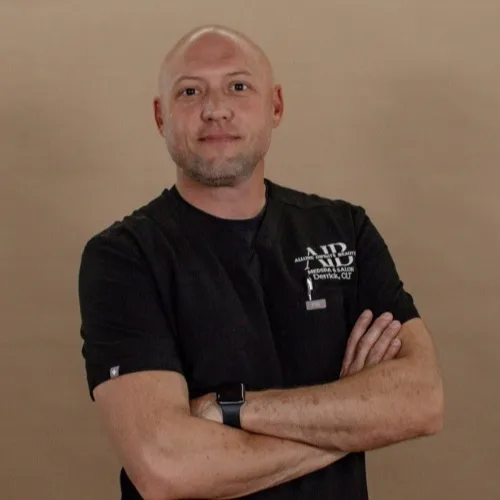
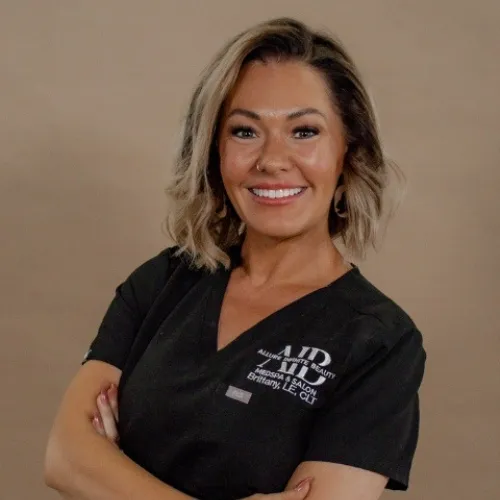
About the Hosts


About the Producer
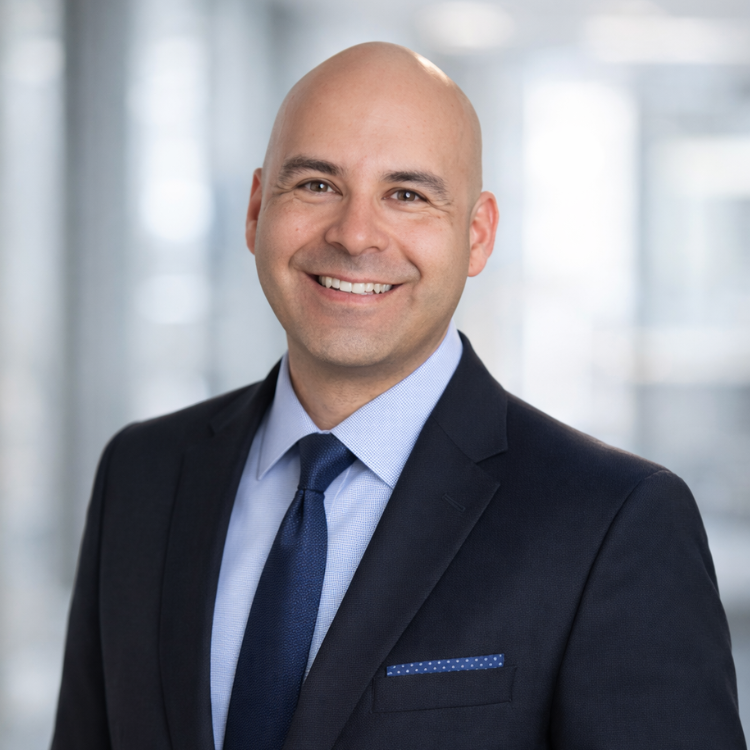
Mat Torres is the founder of Bold Media Group, a Phoenix-based podcast production and media company focused on helping entrepreneurs and local businesses share their stories clearly and authentically. He works hands-on with clients to produce podcasts, short-form video, and media systems that actually get used. Mat is also the host of the Bold Moves Podcast, where he interviews business owners about the real ups and downs of building something from scratch.
Produced by Mat Torres at Bold Media Group